This glossary can be used by people to learn about the often use terms in the prehospital medicine field.
Apnea
Noun
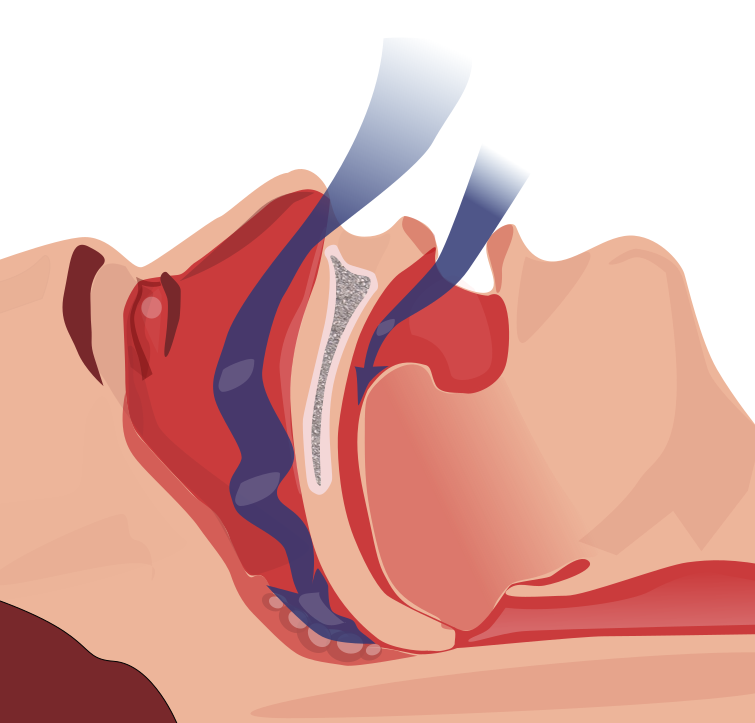
Temporary cessation of breathing.
Example: During their sleep, many people suffer from apnea.
en: Apnée
Asthma
Noun
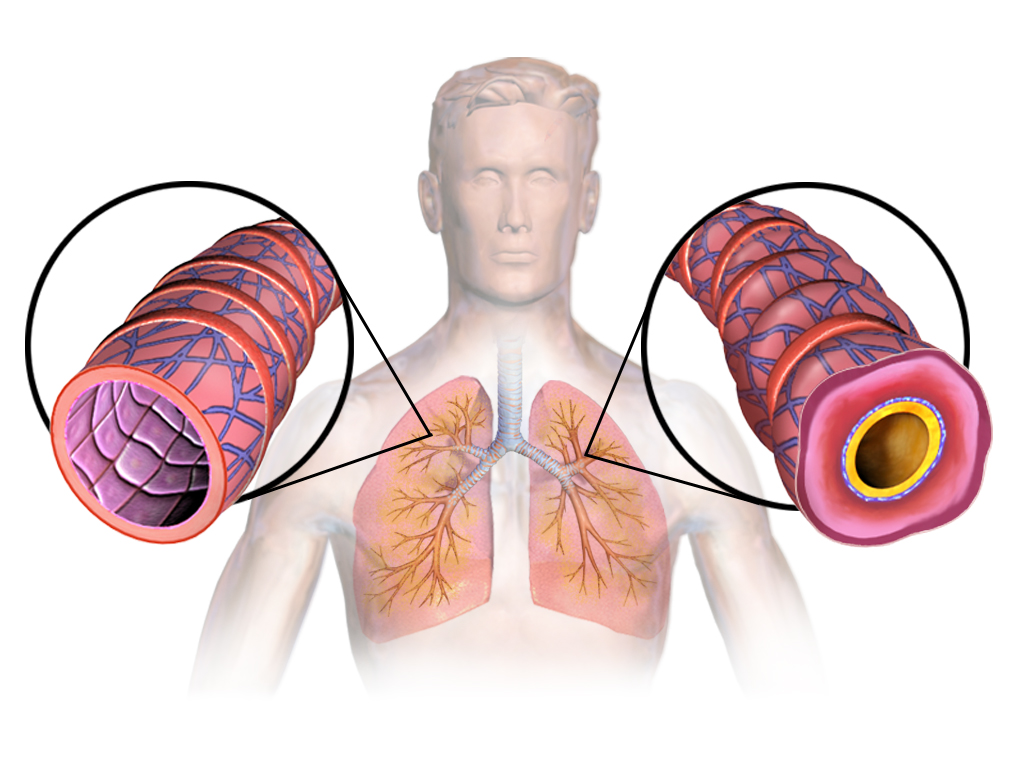
A paroxysmal, often allergic disorder of respiration, characterized by bronchospasm, wheezing, and difficulty in expiration, often accompanied by coughing and a feeling of constriction in the chest
Example: I have asthma attack every time I do physical activities.
en: Asthme
Auscultation
noun
The action of listening to sounds from the heart, lungs, or other organs, typically with a stethoscope, as a part of medical diagnosis.
Example: The paramedic is doing an auscultation of the lungs of this patient.
en: Auscultation
Bradycardia
Noun
A slow heartbeat rate, usually less than 60 beats per minute.
Example: In this case, Jess is found to have bradycardia because he has a heart problem.
en: Bradycardie
Cardiac arrest
noun
The sudden temporary or permanent cessation of the heart function.
Example: Last week, my neighbour went into cardiac arrest in his house.
en: ârret cardiaque
Combitube
Noun
A blind insertion airway device used in the pre-hospital and emergency setting. It is designed to provide an airway to facilitate the mechanical ventilation of a patient in respiratory distress.
Example: They used the Combitube when the patient stopped breathing.
en: Combitube
CPR (cardiopulmonary resuscitation)
noun
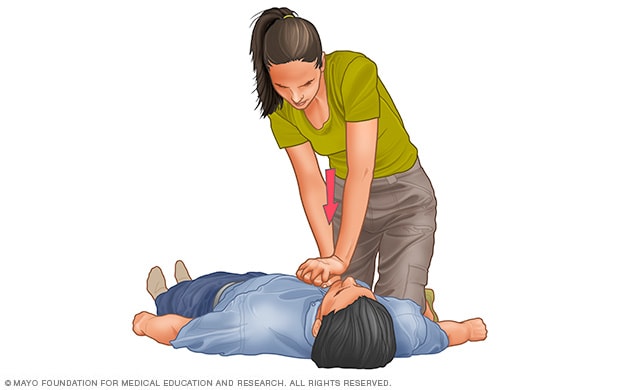
A medical procedure involving repeated compression of a patient's chest, performed in an attempt to restore the blood circulation and breathing of a person who has suffered cardiac arrest
Example: During a cardiac arrest, paramedics pratice CPR on the patient.
en: RCR (réanimation cardiorespiratoire)
Defibrillation
noun
The process of passing an electrical current through a fibrillating heart to depolarize a critical mass of myocardial cells. This allows them to depolarize uniformly, resulting in an organized rhythm.
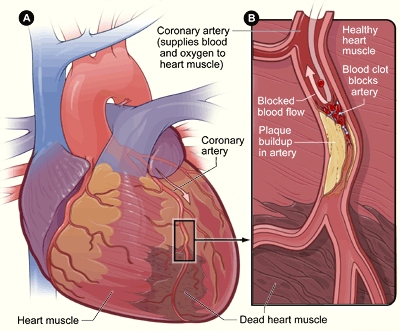
Example: During a heart attack, defibrillation can be done to restart the patient's heart.
en: Défibrillation
DNR (do not resuscitate) order
Abbreviation
A legal document, usually signed by the patient and his physician, that indicates to medical personnel which, if any, life-sustaining measures should be taken when the patient's heart and respiratory functions have ceased.
Example: We can't practice CPR on this patient because he signed a DNR.
en: Ne pas ressusciter
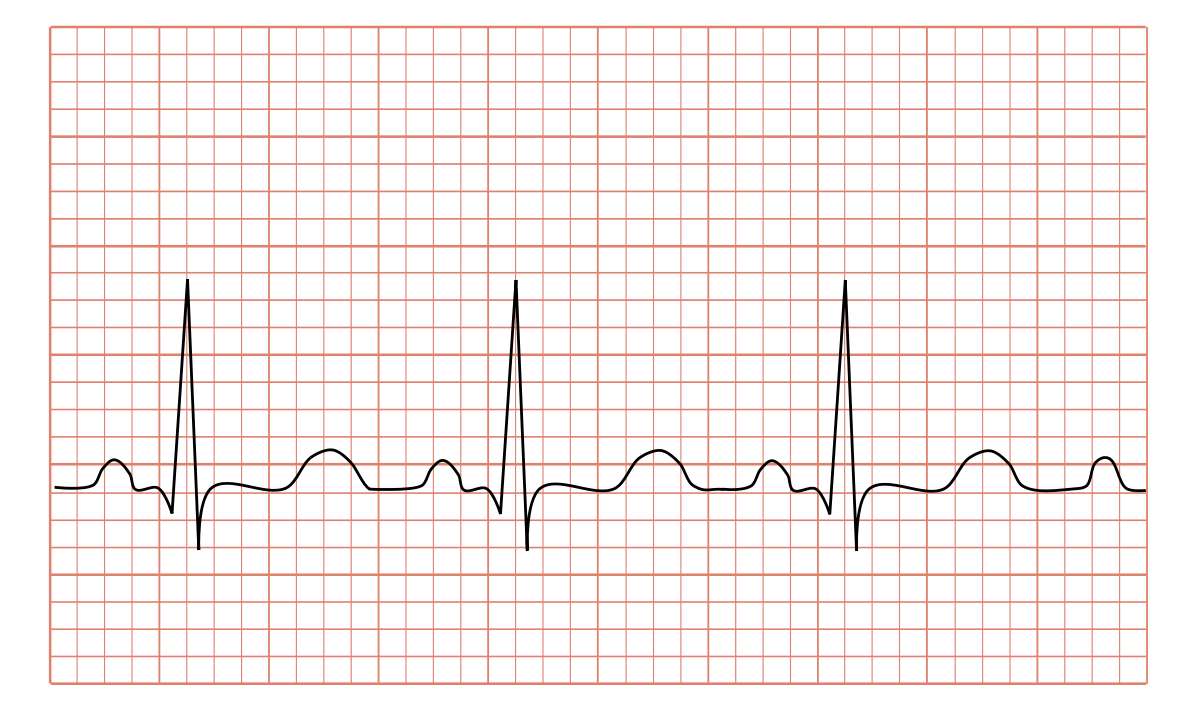
Electrocardiogram (EKG)
Noun
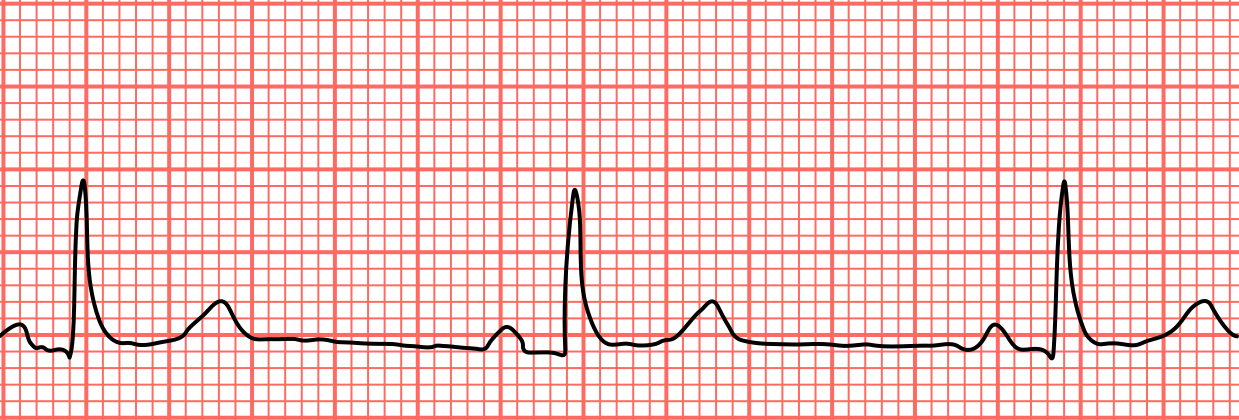
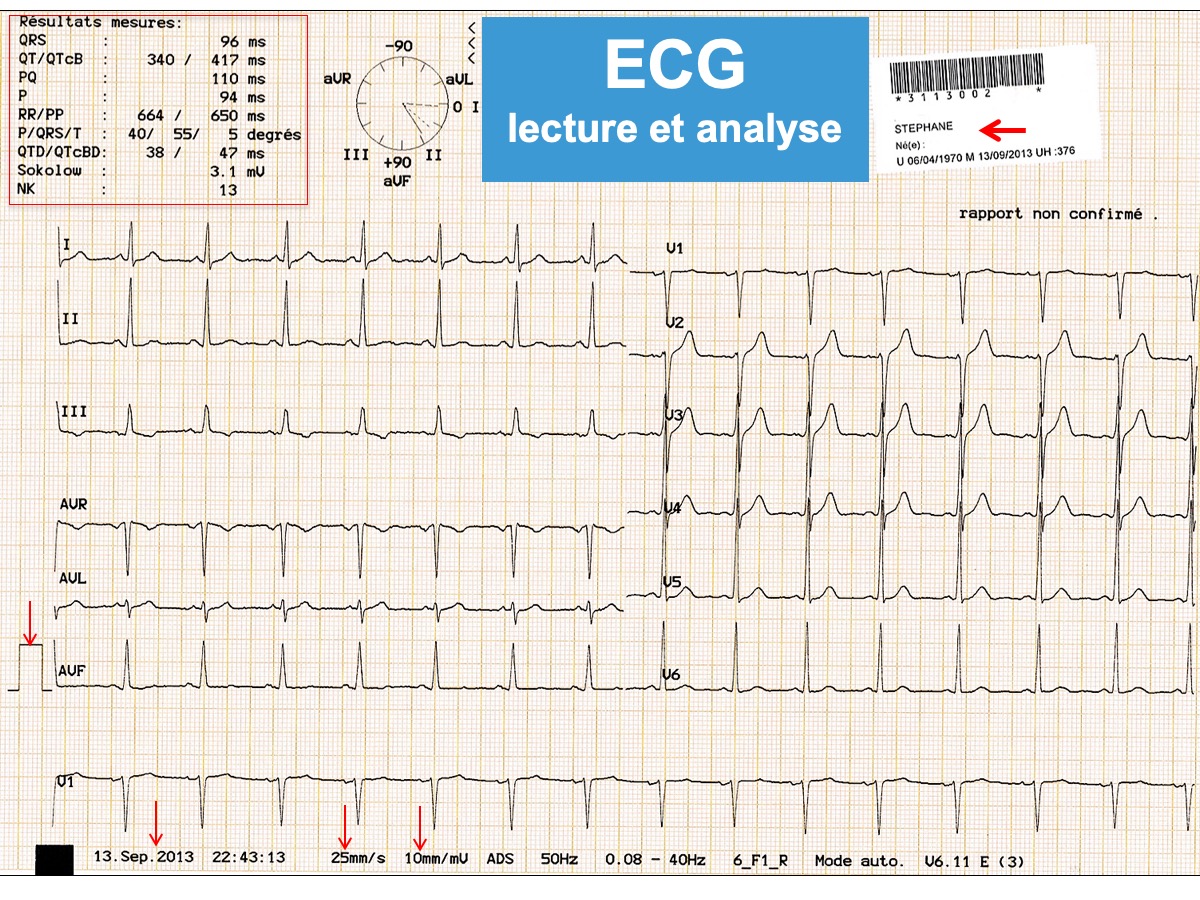
The graphic recording of the heart's electrical activity. Can detect a myocardial infarction.
Example: They did an electrocardiogram on me to verify if I didn't have a stroke.
en: Électrocardiogramme (ECG)
Gurney
noun
Used for the transport of wounded and/or sick people.
Example: The paramedics put the patient on the gurney to put him in the ambulance.
en: Civière
Hemorrhage
noun
An abnormal internal or external discharge of blood.
Example: The multiple injuries created a hemorrhage.
en: Hémorragie
Intravenous access
Noun
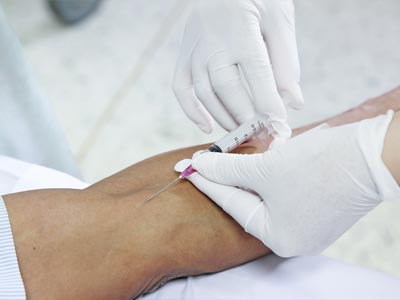
Access to the bloodstream through the veins, either to administer intravenous therapy (e.g. medication, fluid), parenteral nutrition, to obtain blood for analysis, or to provide an access point for blood-based treatments such as dialysis or apheresis.
Example: An intravenous access can be done on a patient to administer him some medication.
en: Voie intraveineuse
Paralysis
Noun
The loss of the ability to move (and sometimes to feel anything) in part or most of the body.
Example: A stroke can cause a facial paralysis.
en: Paralysie
Seizure
Noun
A temporary alteration in behavior due to the massive electrical discharge of one or more groups of neurons in the brain. Seizures can be clinically classified as generalized or partial.
Example: An epileptic person will have seizure if she doesn't take her medication.
en: Convulsion
Stethoscope
Noun
Tool used to auscultate most sounds.
Example: Paramedics use their stethoscope to listen to their patient's breath sounds.
en: Stéthoscope
Stroke
Noun
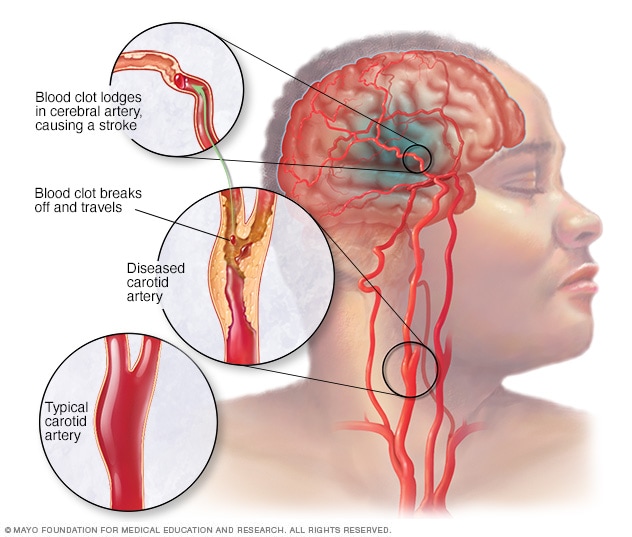
Injury to or death of brain tissue resulting from interruption of cerebral blood flow and oxygenation.
Example: My grandmother had a stroke last year.
en: Accident Vasculaire Cérébrale (AVC)
Tachycardia
noun
A heart rate greater than 100 beats per minute.
en: Tachycardie
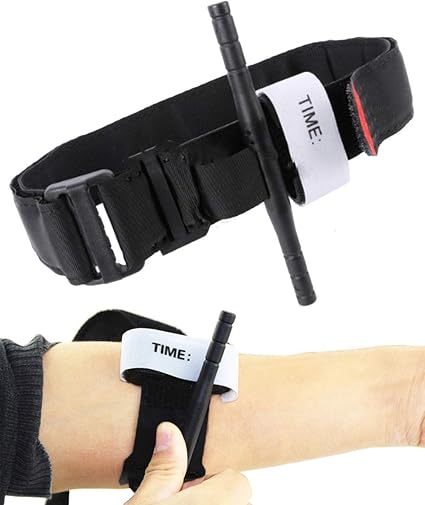
Tourniquet
noun
A constrictor used on an extremity to apply circumferential pressure on all arteries to control bleeding.
en: Tourniquet
Trauma
Noun
A physical injury or wound caused by external force or violence.
en: Trauma
Vital signs
Noun
Clinical measurements, specifically pulse rate, temperature, respiration rate, and blood pressure, that indicate the state of a patient's essential body functions.
Example: The vital signs are taken in each intervention by the paramedics.